 AasimNaseem
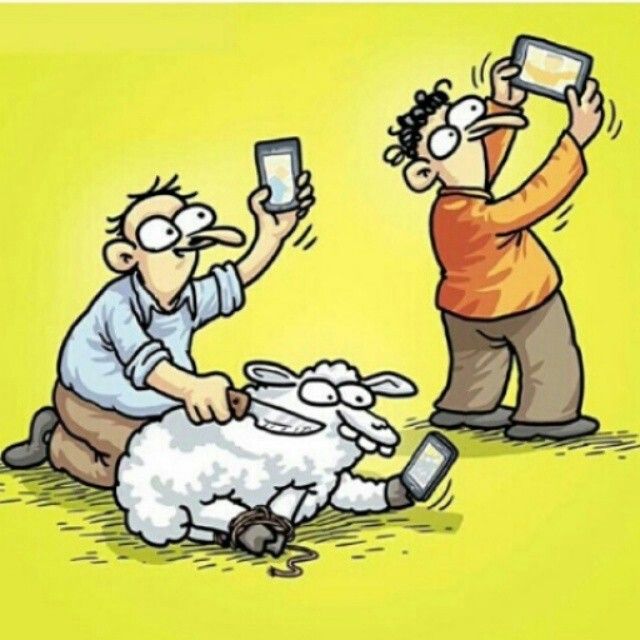
Eid-ul-Adha is a special time for Muslims worldwide. It’s a time of worship, sacrifice, and community—but it’s also a time when the economy gets a real boost. Millions of people earn income directly or indirectly from Eid-related activity.
Let’s take a closer look at how this festival supports jobs, businesses, and local economies in simple, real-life ways.
Animal Breeders & Sellers
Months before Eid-ul-Adha, animal breeders begin raising goats, sheep, cows, and camels just for Qurbani. This is their main season to earn. In cities and towns, temporary animal markets pop up, filled with activity as buyers look for the perfect animal. Sellers often travel from villages to big cities, creating a network of trade and movement. For many families, income from selling animals during Eid supports them for the rest of the year.
Transportation Services
Once animals are sold, they need to be moved—from farms to markets, then to people’s homes. This creates work for:
- Truck drivers
- Van loaders
- Helpers and delivery staff
During this period, the transport businesses see a huge rise in bookings during this time. In some cities, local app-based delivery services even offer “animal drop-offs” for added convenience.
Animal Feed & Healthcare
With more animals in circulation, there’s more demand for animal feed and vet care. Shops selling hay, pellets, and supplements do brisk business. Veterinary clinics also get busier with:
- Health checks
- Vaccinations
- Basic treatment to ensure animals are fit for sacrifice
This means extra income for feed suppliers and local vets.
Decorative Goods
In many cultures, it’s common to decorate animals before sacrifice. This leads to a rise in sales of:
- Ribbons and bells
- Beaded necklaces
- Henna and paint
Street vendors and small shop owners often earn well by selling these low-cost but high-demand items. This niche brings a handsome amount of money for seasonal sellers.
Temporary Markets & Infrastructure
Setting up large animal markets isn’t easy—it requires space, management, and planning. That’s where local governments and private contractors come in. They build:
- Stalls and tents
- Lighting and fencing
- Water stations and sanitation setups
These temporary setups create short-term jobs and business opportunities for construction and maintenance workers.
Butchers & Meat Processing
When Eid arrives, professional butchers are in high demand. People book early to avoid missing out.
Some other services that see increased activity:
- Cold storage units
- Meat packaging and sealing
- Home delivery services for processed meat
For many butchers, this season brings in most of their yearly income. But be aware of people who are not trained for this process.
Waste Management & Sanitation
After sacrifice, cities and neighborhoods must deal with animal waste, blood, and remains.
Cleaning services and municipal workers play a crucial role here, especially in urban areas. Many local governments hire
- Temporary sanitation workers
- Garbage trucks and cleaning crews
- Disinfectant spraying teams
Clean surroundings after sacrifice help avoid health problems and keep the community safe.
Charity & Distribution Channels
One key part of Eid-ul-Adha is sharing. Many people give away a large portion of the meat.
This boosts:
- Local charities and NGOs that manage mass distribution
- Packaging suppliers (for wrapping meat)
- Volunteers and transport workers who help deliver to those in need
Acts of charity not only help others but also create small economic ripples.
Online Platforms
Today, many people prefer online Qurbani services. With just a few taps, you can:
- Choose an animal
- Book a sacrifice
- Get meat delivered to your door
This supports:
- Tech startups
- Payment gateways
- Courier and cold-chain logistics companies
Content Creators & Advertisers
Eid-ul-Adha also fuels marketing campaigns. Brands run sales and ads, and content creators post Eid tips, offers, and stories.
This boosts:
- Ad agencies
- Social media influencers
- Local shop revenues
Many small businesses plan special promotions to attract Eid shoppers.
Final Thoughts
Eid-ul-Adha isn’t just a spiritual celebration. It’s also a time that moves the economy—from farms to food delivery, from truck drivers to tailors. It supports millions of people and gives a seasonal lift to countless businesses.
When we give during Eid, we’re also building our communities and supporting livelihoods.

Comments
No comments yet — be the first to share your thoughts.
Leave a Reply